Advertorial
Vets Are Stunned By The Simple Licking Ritual That's Finally Calming Anxious Dogs In Just 7 Days
By Lauren Campbell • ⏱︎ 3 min read
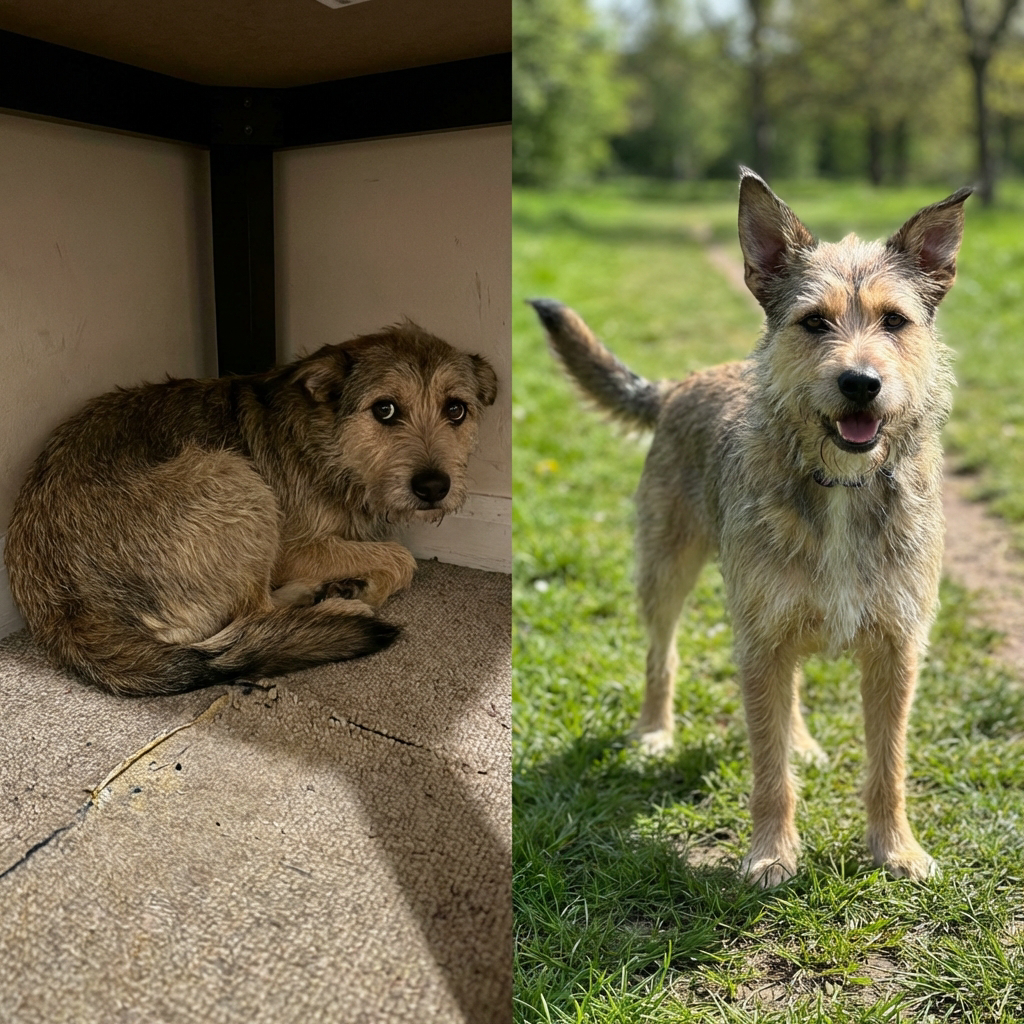
Unlike the crates, trainers, and calming products that leave anxious dogs — and exhausted owners — right back where they started, this simple daily ritual is delivering the first measurable progress thousands of dog owners have seen in years.
Millions of Dog Owners Are Getting This Wrong
Every 72 seconds, a dog owner searches some version of the same desperate phrase: "why does my dog freak out when I leave."
They've already tried the crate. The Kong, the puzzle feeder, the calming chews. Some have hired trainers. And still — the moment they grab their keys, their dog falls apart.
Some are one noise complaint away from a landlord conversation they're dreading.
If that's you, here's the most important thing you'll read today: you haven't failed your dog. You've been given the wrong explanation.
Underneath all of it — the exhaustion, the money spent, the cancelled plans — is a guilt that's hard to admit: that some days you resent the dog you love.
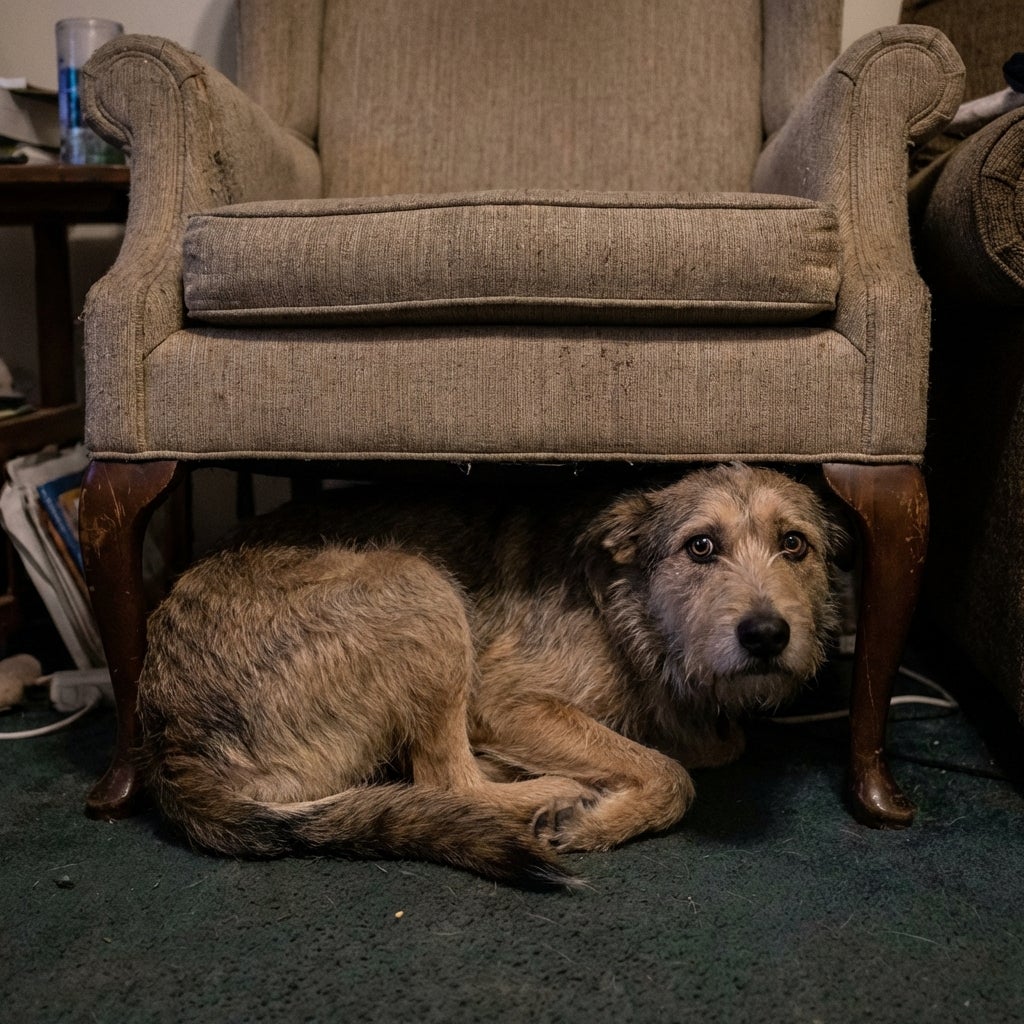
"Your Dog Is Bored" — The Diagnosis That's Making Things Worse
The most common thing owners hear is some version of: "they just need more exercise, more stimulation."
So owners run their dogs for an hour before work. Buy every enrichment toy on the market. And then leave — and nothing changes.
Here's why: a bored dog and a dog in separation distress are not the same thing. According to the Merck Veterinary Manual, separation-related distress is an anxiety and fear-driven condition — not a behavioral choice, not spite, not a stimulation deficit. Your dog isn't acting out. They're panicking.
And it often starts before you even leave the house. Research shows the anxiety response begins the moment a dog detects departure cues — keys, shoes, your coat. By the time you close the door, some dogs are already in full escalation.
You can't run a dog out of a fear response.
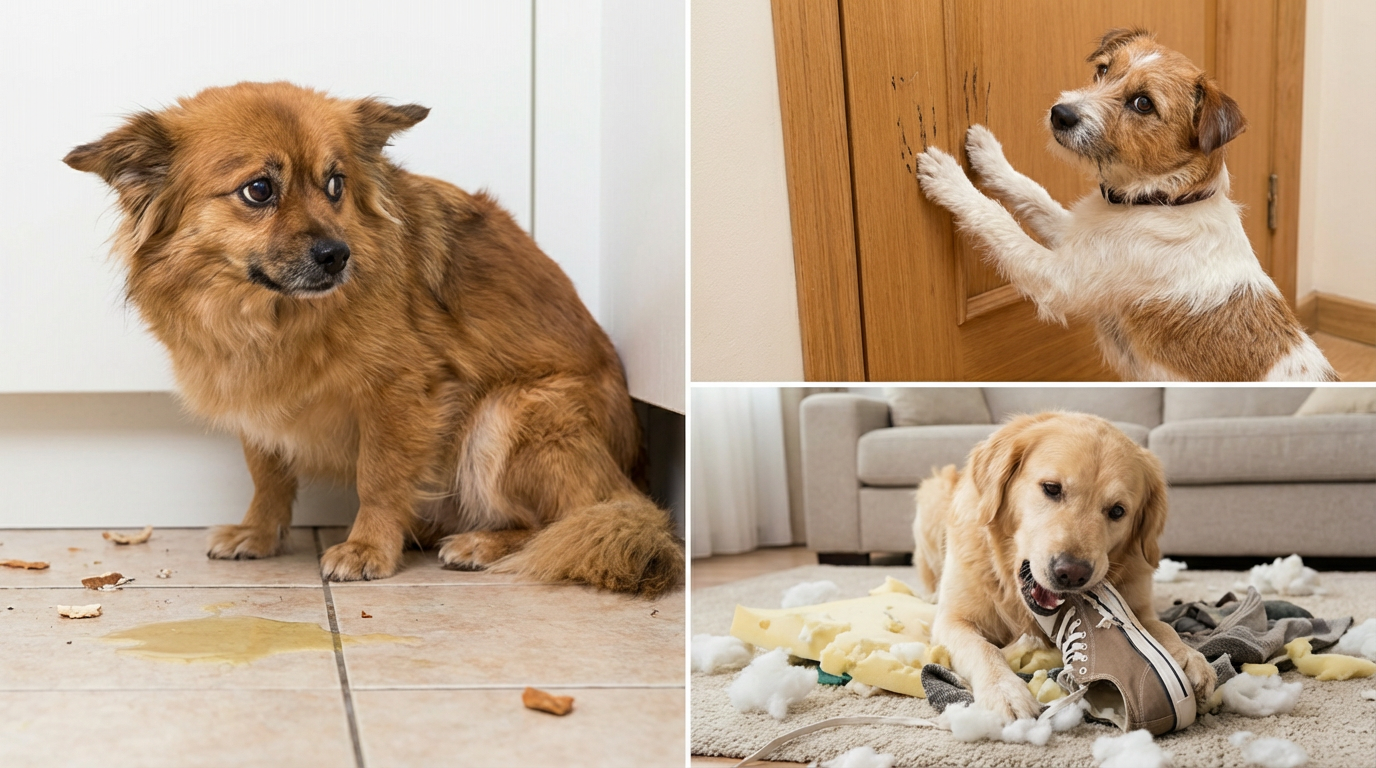
Does This Sound Like Your Dog?
✓ Follows you room to room as you get ready to leave
✓ Paces, whines, or trembles when you pick up your keys
✓ Barks or howls within minutes of the door closing
✓ Scratches at doors or windows — sometimes to the point of injury
✓ Destroys furniture or objects near exits
✓ Has accidents despite being fully house-trained
✓ Refuses to eat any treat or enrichment you've left out
That last one surprises people most. If your dog won't touch the stuffed Kong or the frozen lick mat, that's not pickiness. Food refusal is one of the clearest signs a dog is already over their distress threshold. A dog in full panic doesn't eat.
Why Everything You've Tried Has Failed
The crate — For dogs in separation distress, confinement can make things dramatically worse. When panic meets confinement, the escape drive intensifies. Veterinary sources note that some dogs injure themselves trying to break out.
The puzzle feeder or Kong — These work until they don't. The moment the food is gone, the distraction ends and the panic resumes. Many owners describe what can only be called the "Kong cliff." Even VCA Animal Hospitals advises returning before the dog finishes the food toy in early stages — because what happens after the food matters as much as the food itself.
The calming supplements — A supplement without a behavior plan is a painkiller without a diagnosis. Separation distress is a learned fear pattern. It requires a systematic approach to unlearn — not a chew.
And before you scroll past — this isn't a 'clinically proven calm' pitch. No cortisol claims, no heart rate promises. What's here is simpler and more honest than that."
What Actually Works
The solution has been known for decades. Veterinary behaviorists call it desensitization and counterconditioning — gradual, below-threshold practice that teaches the dog's nervous system that departures are temporary and safe.
The protocol is simple: start with absences measured in seconds. Return before any distress. Build slowly. The entire approach depends on keeping reps below the panic line, over and over, until the brain forms a new association.
What most owners are missing isn't knowledge. It's the ritual that makes consistent, below-threshold practice possible in real daily life.
Why Licking Creates the Window Everything Else Can't
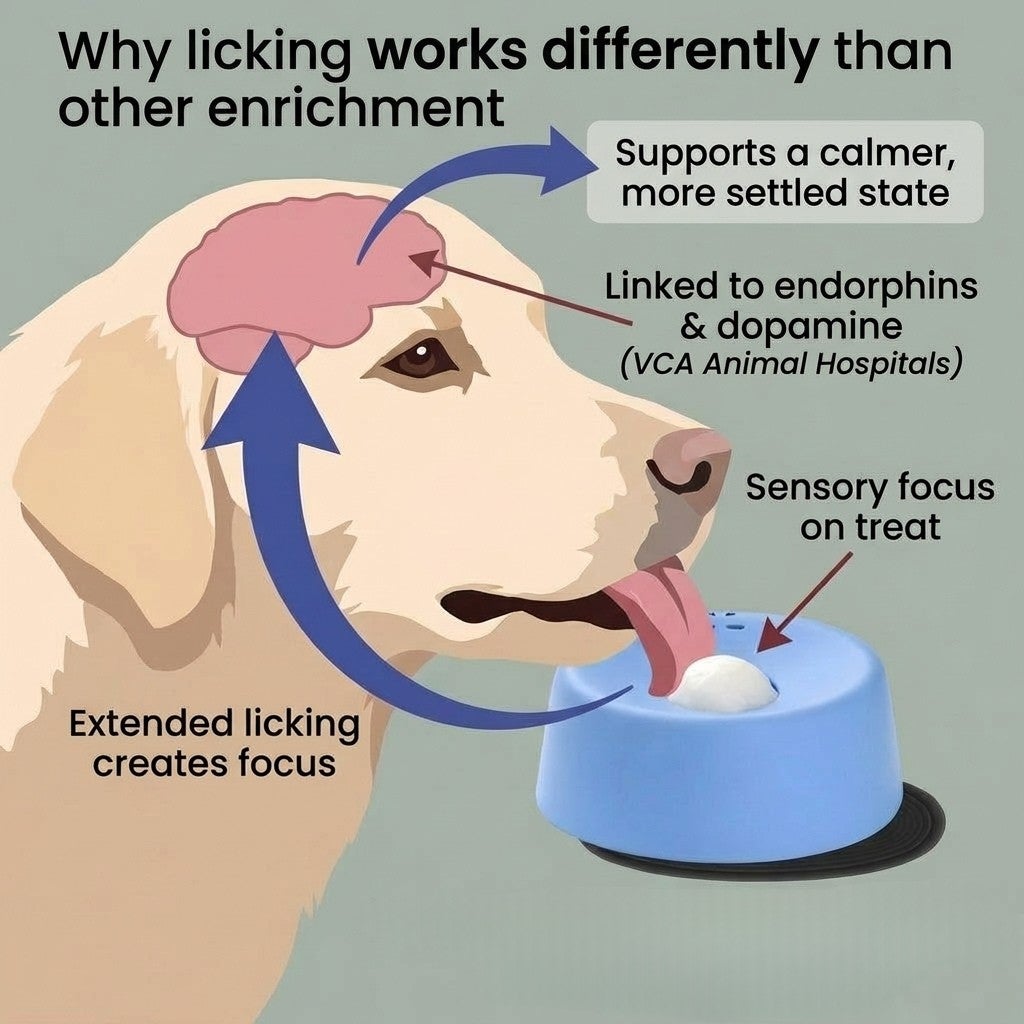
VCA Animal Hospitals notes that studies show licking releases endorphins and then dopamine in dogs, supporting calm, relaxed, and secure feelings. But the key word is extended licking.
A dog that licks for twenty seconds gets a brief neurochemical moment. A dog that licks slowly for ten uninterrupted minutes enters a genuinely different state — one that's receptive to calm association-building. That's the window. And standard food toys close it too quickly.
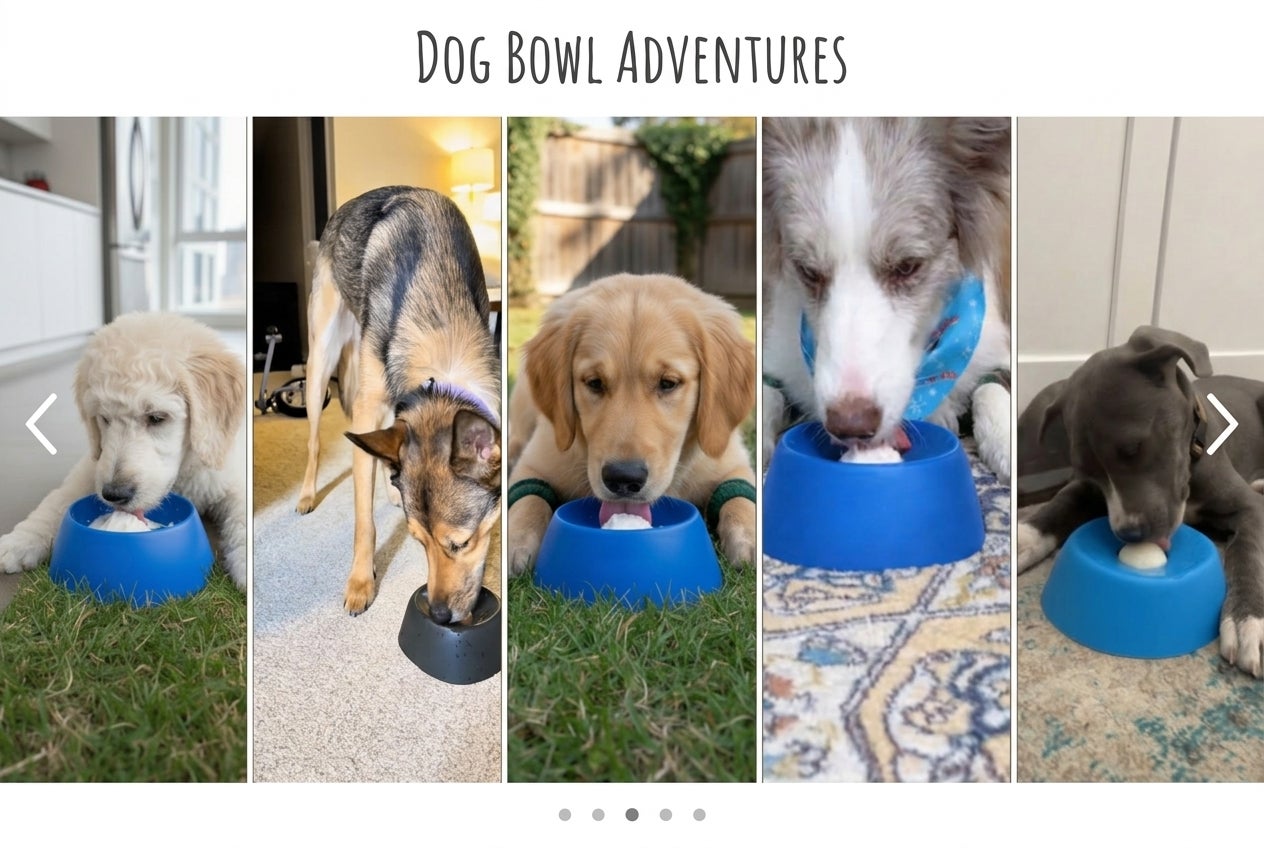
The Tool That's Making the Ritual Possible
Nuna Bloom is a textured slow-lick bowl with a gyro ball insert, designed specifically to extend licking sessions far beyond what a standard lick mat or Kong can achieve. With the right filling — wet food, plain yogurt, pumpkin, unsalted bone broth — owners are consistently reporting ten to twenty-minute engagement sessions.
But the bowl isn't the product. The ritual is.
Three things that make it work:
1. Introduce it at home first. Not at the door. Not as a leaving bribe. On the couch, during a calm moment. This prevents the bowl from becoming a departure cue that triggers anxiety before you've moved.
2. Pair it with micro-departures. Bowl down. Step outside for ten seconds. Return before it ends. That's one rep of new conditioning laid over the old fear pattern. Repeat daily.
3. Use food refusal as data. If your dog won't engage, the departure was too large. Reduce the difficulty. A dog that's licking is below threshold. A dog that won't touch the food is telling you exactly what to adjust.
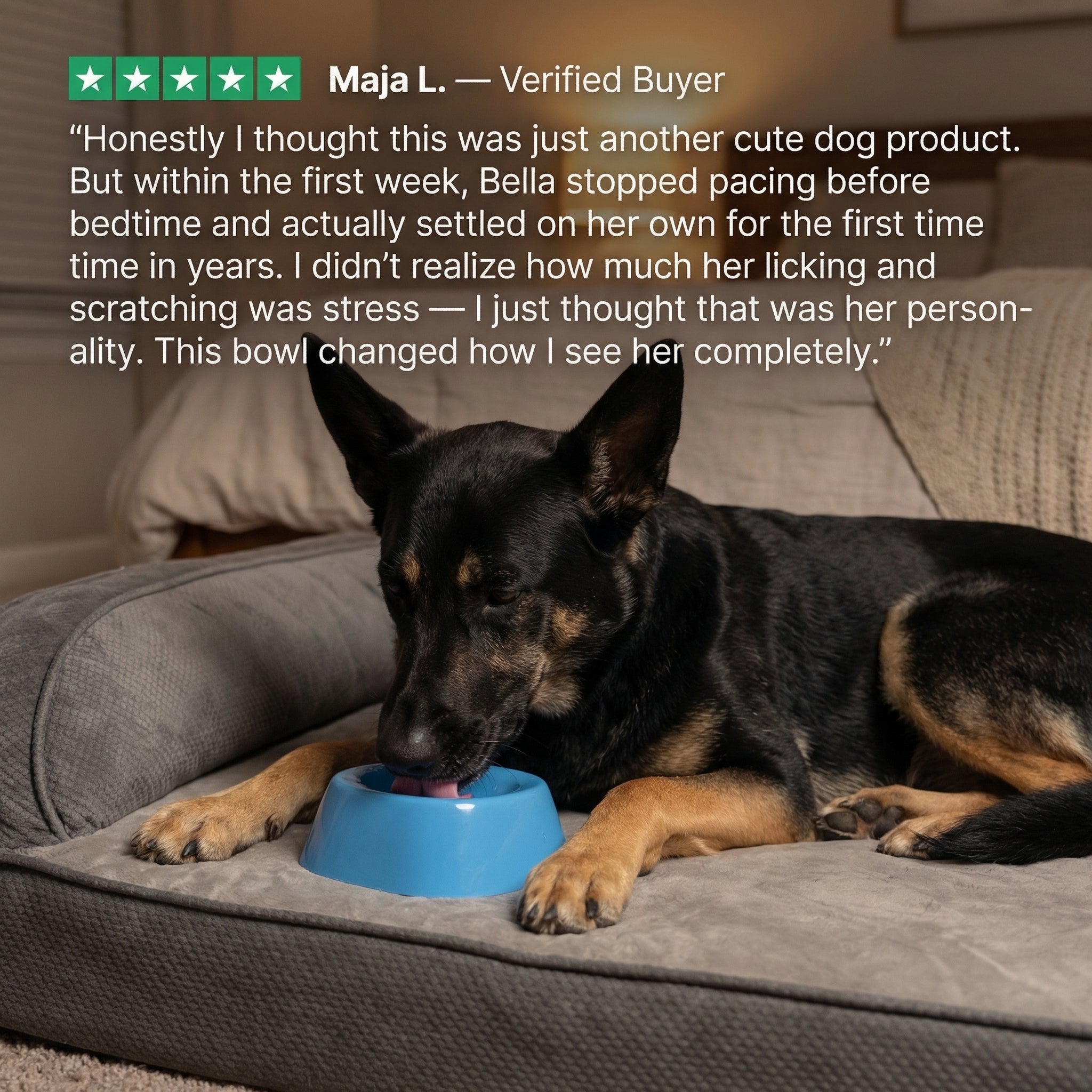
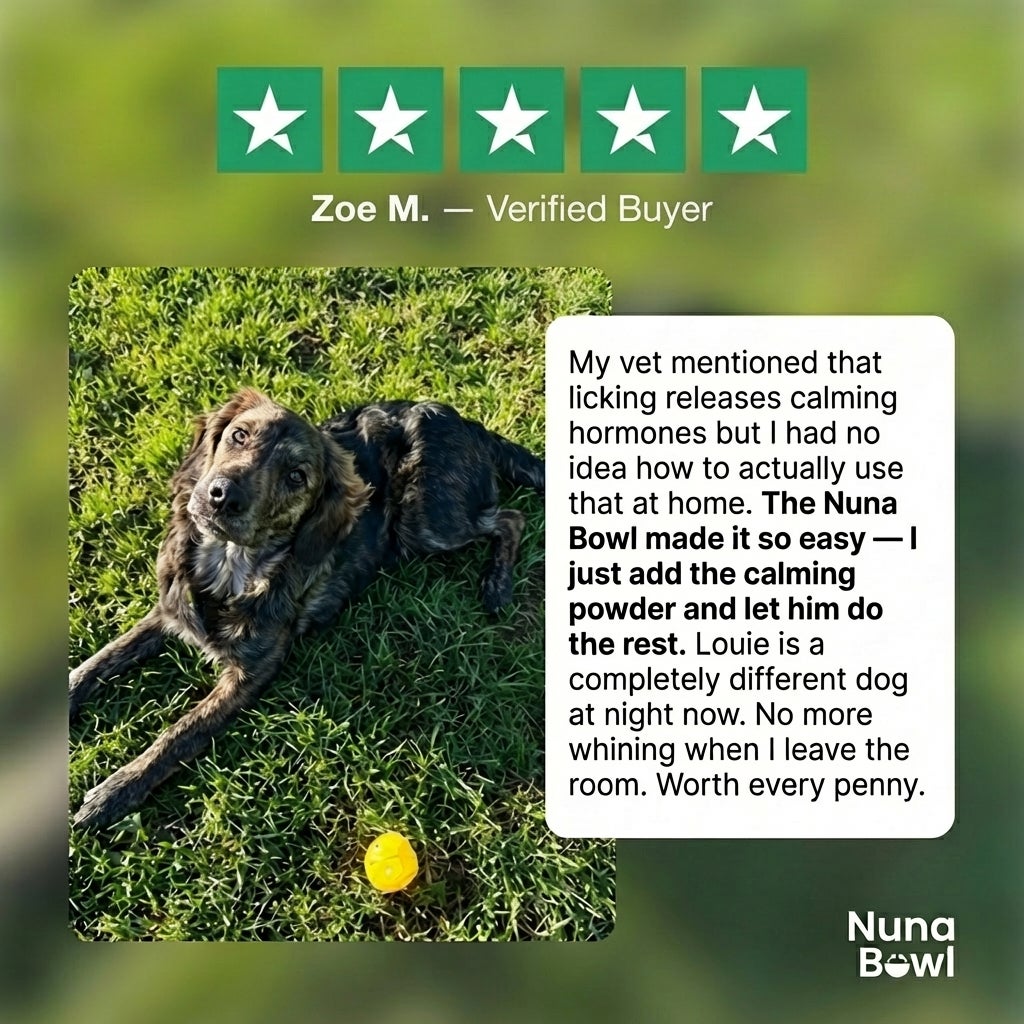
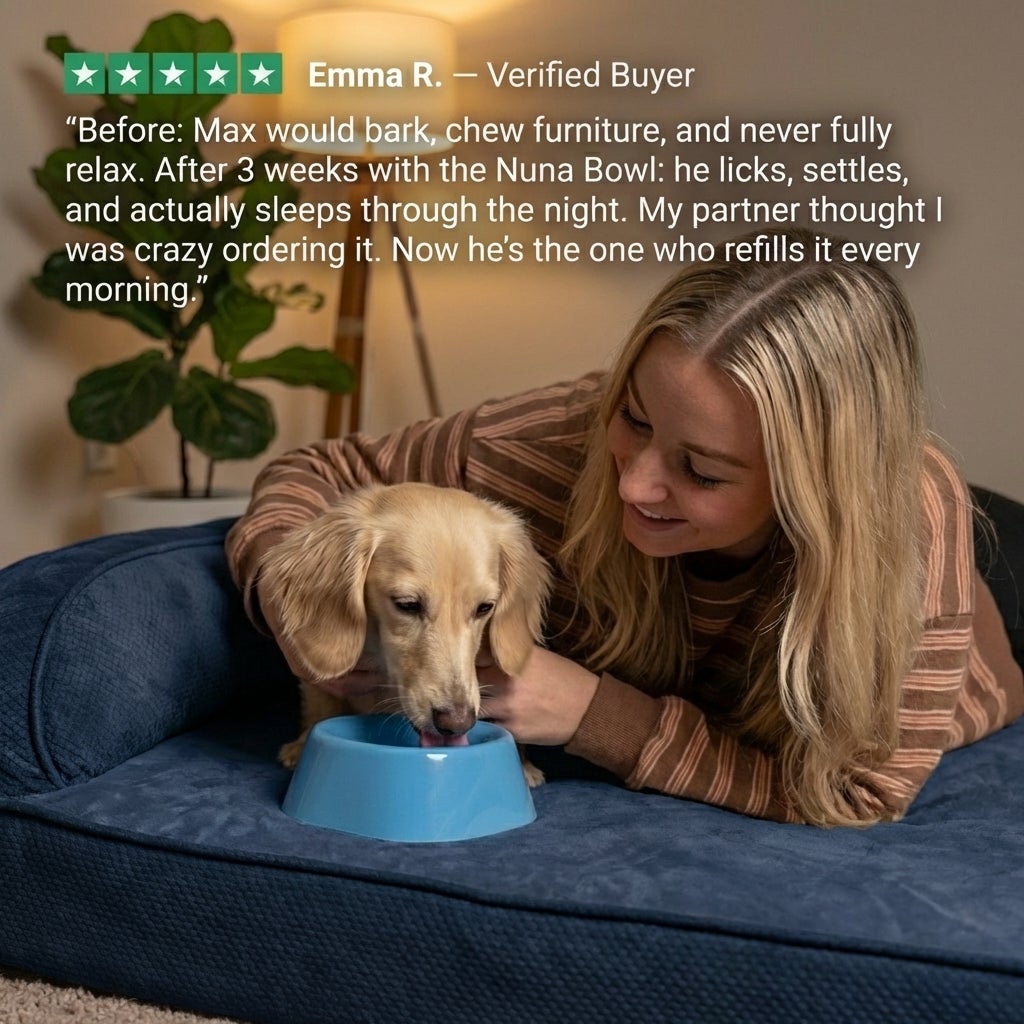
What Owners Are Saying

I'd tried three trainers and a prescription supplement. I wasn't buying the bowl — I was buying the plan. That part was different." — Sarah M., long-haired Dachshund owner (individual results vary)
''My dog wouldn't touch a treat the moment I left. By day five she was licking while I walked to my car. I cried." — Priya K., rescue dog owner (individual results vary)
Quick Answers to the Most Common Questions
"My dog won't eat anything when I leave — will this work?" Start with the bowl at home. Food refusal means the departure is too large, not that nothing will work. Build from smaller starting points.
"Is this a cure for separation anxiety?" No — and any product claiming otherwise should be treated with deep skepticism. This is a support tool for mild to moderate distress. Severe cases warrant a veterinary behaviorist.
"Is peanut butter safe to use?" Most peanut butter is excellent — but always check for xylitol, an artificial sweetener the FDA warns is toxic to dogs. When in doubt, use plain pumpkin or wet dog food instead.
Copyright © 2026 All rights reserved.